
TSL2561 Digital Luminosity/Lux/Light Sensor Breakout images
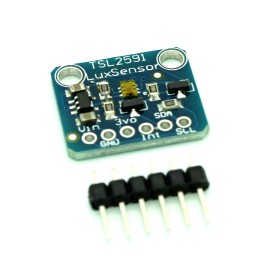
TSL2561 Digital Luminosity/Lux/Light Sensor Breakout
Price:
$5.90
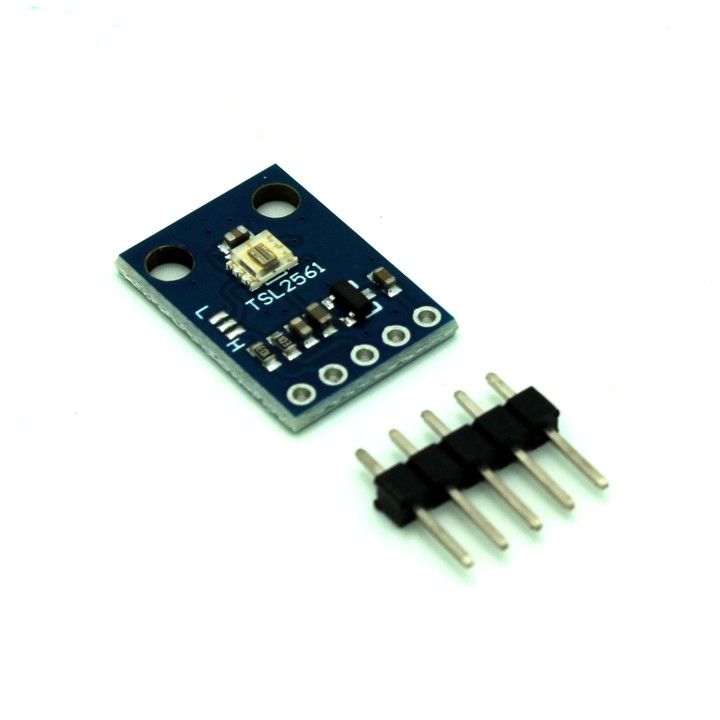
The TSL2561 is a light-to-digital converter that translates light intensity into a digital signal output I2C. Sensitive to visible light and infrared for a near-optical response with a dynamic range of 20 bits. Two integrated ADCs convert the photodiodes' currents into a digital output, which measures the light intensity of each channel.
Features:
- Digital High Dynamic Range Light Sensor Module
- TSL2561 luminosity sensor
- More precise than low-cost CdS cells, allowing for exact lux calculations
- Configurable gain/timing ranges to detect light from 0.1 to 40,000+ Lux
- Contains both infrared and full spectrum diodes
- Measures infrared, full-spectrum, or human-visible light separately
- Most sensors only detect one type of light
- Approximates Human eye Response
- Precisely Measures Illuminance in Diverse Lighting Conditions
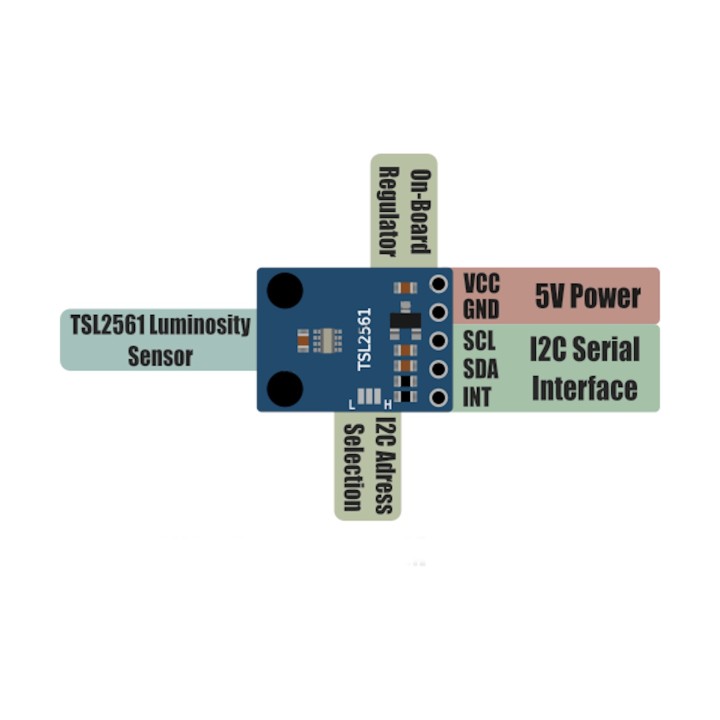
- This board/chip uses I2C 7-bit addresses 0x39, 0x29, 0x49, selectable with jumper pads
- Lux Range: 0.1 Lux to 40,000 Lux
- Adjustable gain / timing via I2C
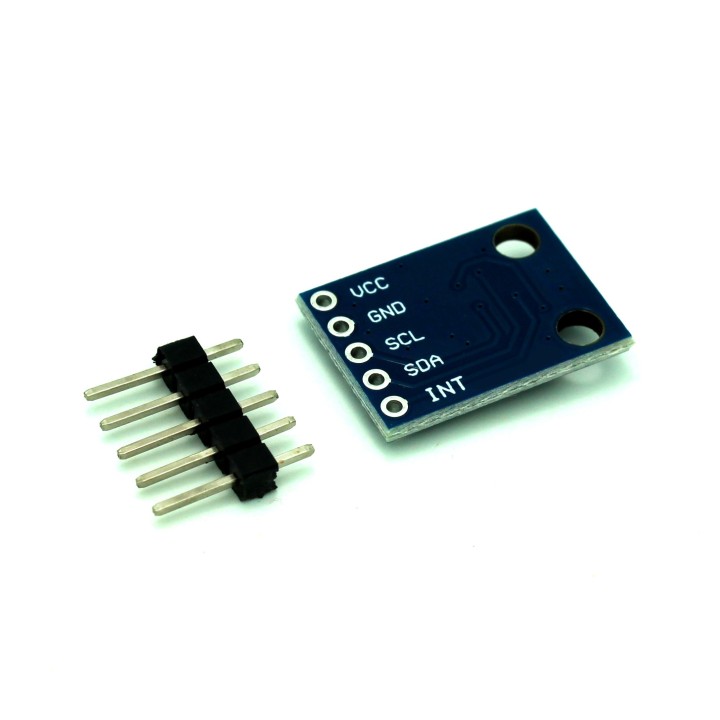
- Pinout:
- VCC: Power
- GND: Ground
- SCL: Serial Clock Line
- SDA: Serial Data Line
- INT: Interrupt Pin (Not necessary to connect for basic functionality. Can be set via I2C registers to trigger if the luminosity passes a threshold or after conversion.)
- Approximates Human eye Response
- Operating Voltage: 3.3V-5V
- Current Rating: 0.6mA
- Arduino and Raspberry Pi Compatible
- Dimensions: 19mm x 14mm x 1mm / .75" x .55" x .04"
- Operating Temperature: -30C to 90C
- Serial Communication Protocol: I2C
- Automatically filters 50 Hz/60 Hz light fluctuations from indoor lighting for a clear signal irrespective of environment
- Can be used with Arduino, Raspberry Pi, Teensy, Photon etc.
-
Brand

-
ReferenceTS4263
-
In stock3 Items
4 other products in the same category
Clients also bought
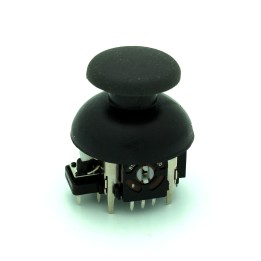
PS2 Thumb Joystick with Click Button (Arduino & Raspberry Pi Compatible)
$3.49
Rated out of 5 stars based on
review(s)
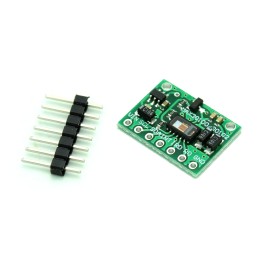
MAX30102 Heart Rate Oxygen Pulse Sensor Oximeter Module
$4.90
Rated out of 5 stars based on
review(s)
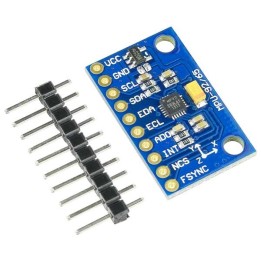
9DOF Accelerometer, Gyro, Magnetometer Breakout - MPU-9250
$29.99
Rated out of 5 stars based on
review(s)
Comments (0)
Your review appreciation cannot be sent
Report comment
Report sent
Your report cannot be sent